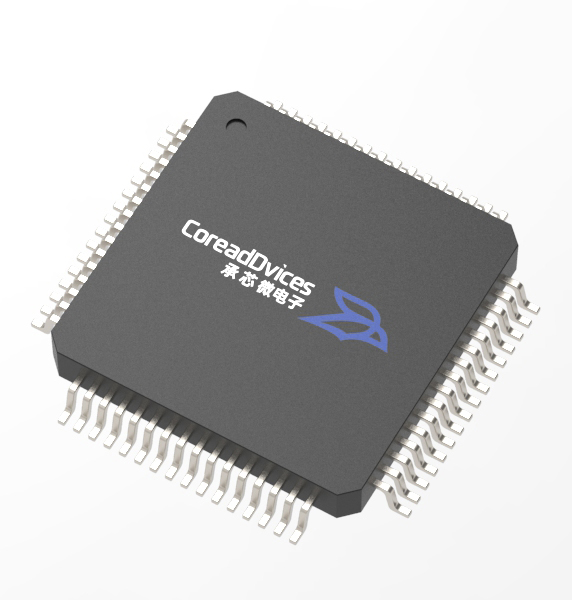
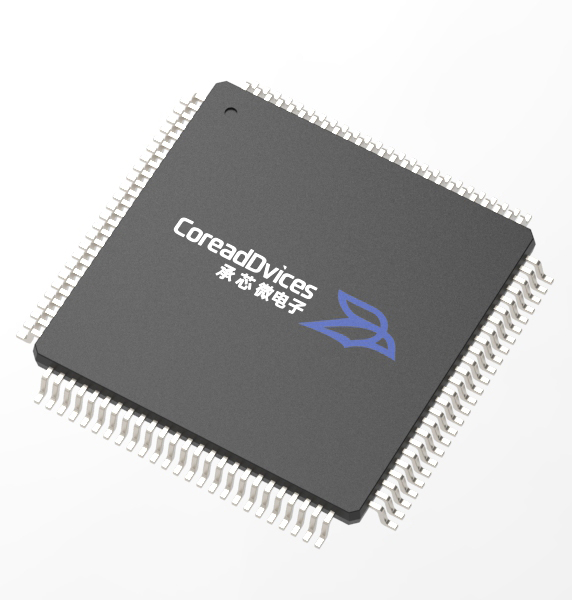
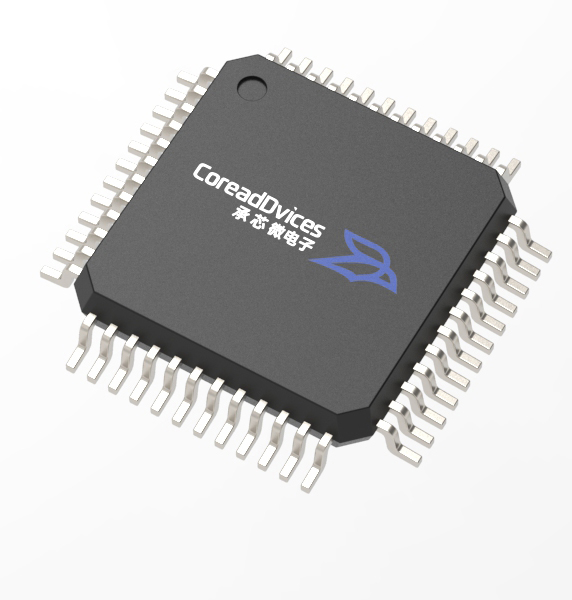
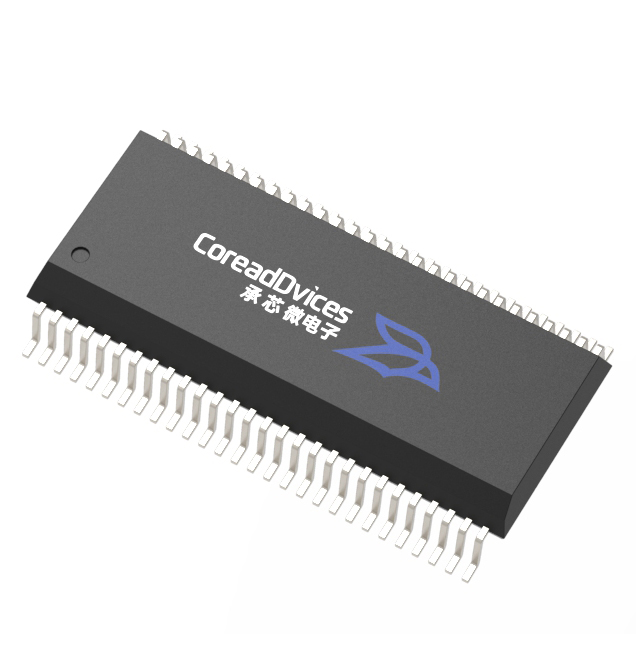
The CDG726/CDG732 are monolithic, complementary metal oxide semiconductor (CMOS) 32-channel and dual 16-channel analog multiplexers. The CDG732 switches one of 32 inputs (S1 to S32) to a common output, D, as determined by the 5-bit binary address lines A0, A1, A2, A3, and A4. The CDG726 switches one of 16 inputs as determined by the 4-bit binary address lines A0, A1, A2, and A3. On-chip latches facilitate microprocessor interfacing. The CDG726 may also be configured for differential operation by tying and together. An input is used to enable or disable the devices. When disabled, all channels are switched off. These multiplexers are designed on an enhanced submicron process that provides low power dissipation yet gives high switching speed, very low on resistance, and leakage currents. They operate from a single supply of +1.8 V to +5.5 V and a ±2.5 V dual supply, making them ideally suited to a variety of applications. On resistance is in the region of a few ohms and is closely matched between switches and very flat over the full signal range. These devices can operate equally well as either multiplexers or demultiplexers and have an input signal range that extends to the supplies. In the off condition, signal levels up to the supplies are blocked. All channels exhibit break-before-make switching action, preventing momentary shorting when switching channels. The CDG726/CDG732 are available in a 48- lead TQFP. For functionally equivalent devices with serial interface.

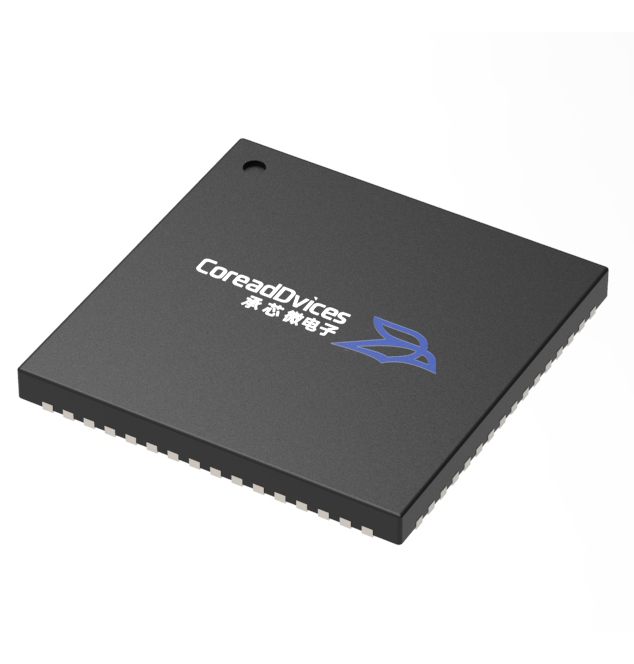
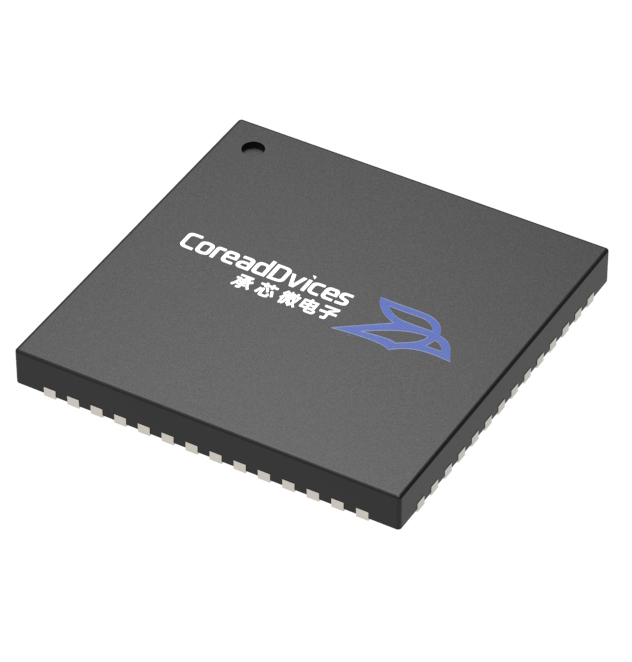
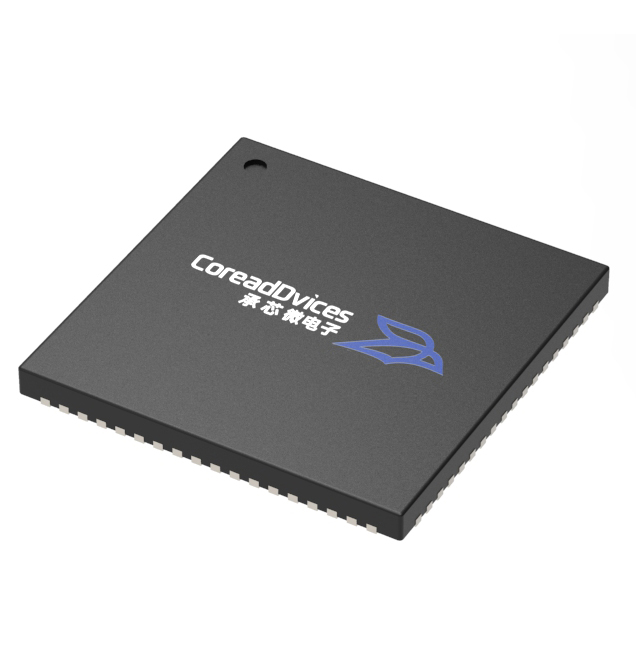
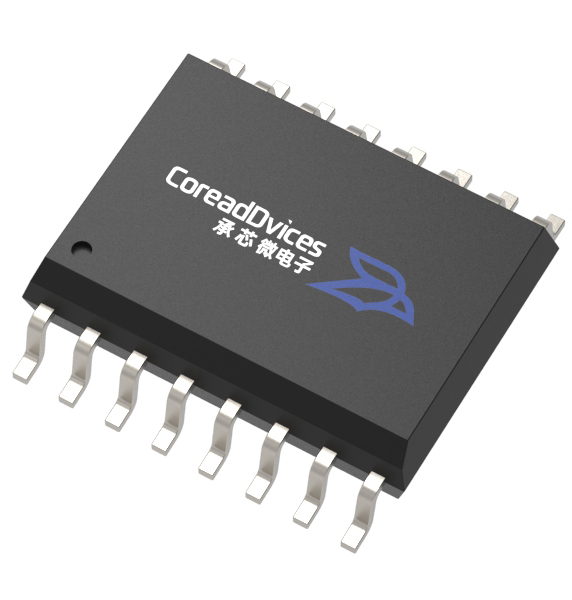

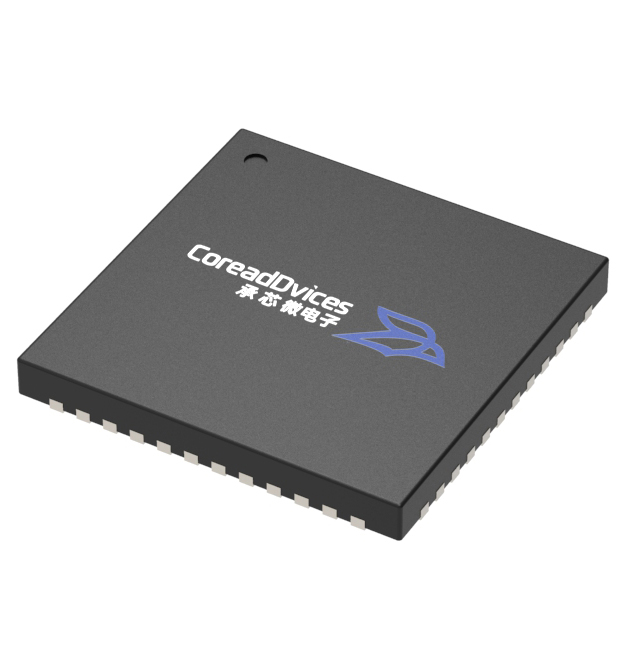 CDG732AQF48Price:$0.00